Playlist Placement Strategies: Turning Streams into Sustainable Income
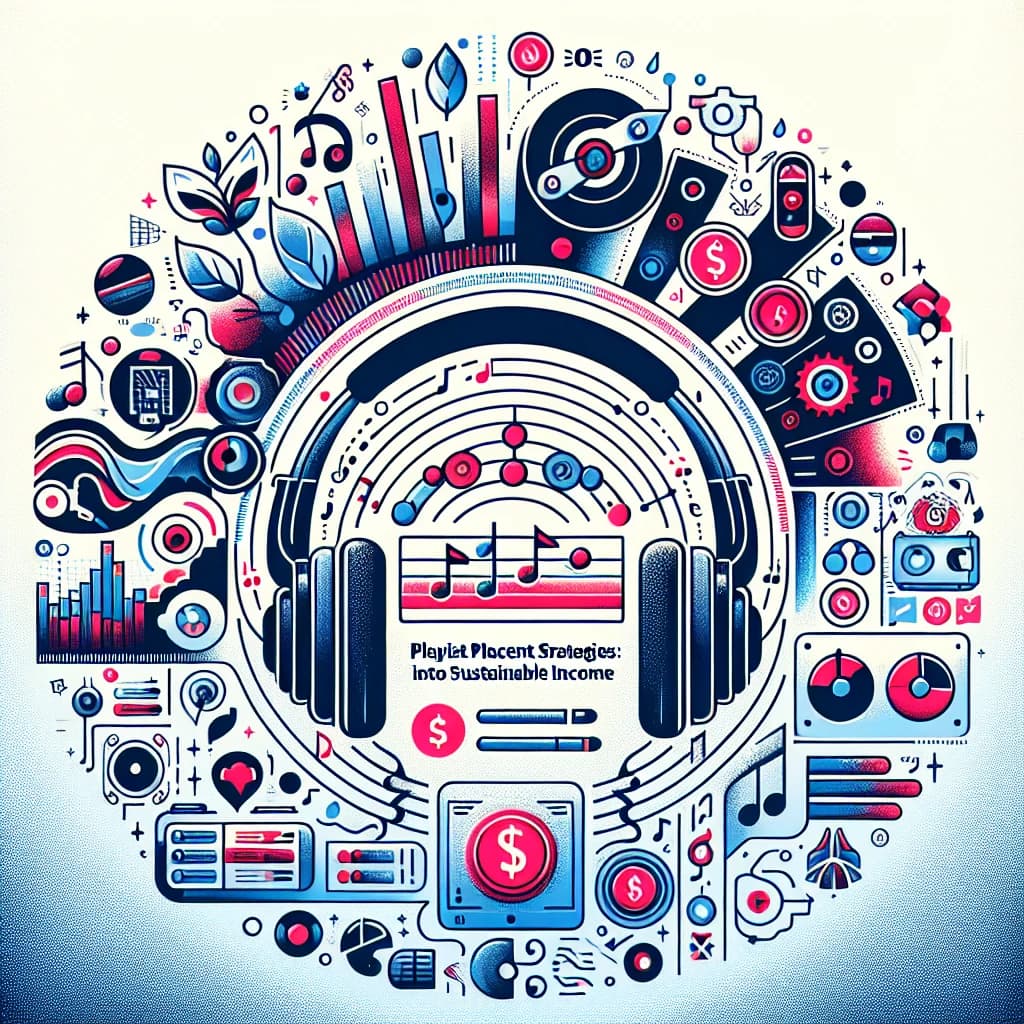
In the rapidly evolving landscape of the music industry, playlist placement has emerged as a pivotal strategy for indie musicians and producers to transform their streams into sustainable income. Playlists are not just about generating plays; they're about building a loyal fanbase, expanding your reach, and ultimately, maximizing your earnings. In this guide, we'll delve into effective playlist strategies that can help artists navigate the world of streaming and royalty management efficiently.
Understanding the Power of Playlists
You might think of playlists as just a series of songs, but in the realm of digital streaming, they're akin to magical portals that can teleport your music into the ears (and hearts) of listeners worldwide. In fact, according to a study by MusicWatch, over 90% of streaming service users frequently listen to playlists. That's not just a number; it's a golden opportunity.
Why Playlists Matter
Playlists are the secret sauce for indie musicians aiming to transform streams into sustainable income. Here’s why:
- Increased Exposure: Being featured on curated or popular playlists puts your music in front of new audiences who may have never stumbled upon your work otherwise.
- Engagement Boost: Playlists, especially themed ones like workout playlists or chill playlists, often align with listeners' moods and activities, increasing the likelihood they'll hit 'repeat'.
- Algorithmic Love: Getting added to Spotify's curated playlists can significantly influence algorithmic recommendations, leading to a domino effect of increased plays.
The Diverse World of Playlists
The playlist landscape is diverse and exciting. From mood playlists that perfectly capture Monday blues to genre-specific ones like an electronic music playlist that makes you want to dance — each type offers unique benefits.
- Themed Playlists: Think "Beach Vibes" or "Winter Warmth". These align with specific listener interests and can draw in niche audiences.
- Collaborative Playlists: An opportunity for indie artists to partner up and share fanbases. Two heads are better than one!
- Nostalgic Playlists: Songs that transport listeners back in time; these can evoke strong emotional connections and repetitive plays.
If you’re still not convinced about their power, consider this: According to Spotify's data (2019), being added to a top playlist can boost streams by up to 50%, sometimes even more. That’s like hitting the musical jackpot without even buying a ticket!
Playlists are more than just song collections; they're strategic tools for audience growth and revenue generation. By understanding and harnessing their power effectively, you'll not only turn streams into income but also build a loyal listener base along the way.
Types of Playlists You Should Target
In the vast ocean of streaming services, playlists are the lifeboats that keep music afloat and reaching ears that matter. But with thousands of playlists out there, how do you choose which ones to target? Here are some key types of playlists that can help transform your streams into a steady cash flow:
1. Curated Playlists
Curated playlists are like the Michelin stars of music streaming. Crafted by industry professionals, these playlists often attract massive followings. According to Spotify for Artists, getting featured on a Spotify editorial playlist can boost your streams by over 50% in just a few days. Aim for genre-specific curated playlists like "Fresh Finds" or "New Music Friday" to tap into dedicated audiences.
2. Personalized Playlists
The beauty of personalized playlists is their AI-driven magic, seamlessly blending listener preferences to create a unique listening experience. Your goal? Be the next earworm in someone’s "Discover Weekly" or "Your Daily Mix." By focusing on building a consistent backlog of quality releases, you increase your chances of being algorithmically selected.
3. Mood-Based Playlists
Mood-based playlists cater to specific vibes and emotions—think "Chill Vibes," "Workout Anthems," or "Rainy Day Blues." In fact, mood playlists have seen a significant uptrend as listeners seek music to match their emotions and activities (Spotify Trends Report). By aligning your tracks with popular moods, you can connect with listeners at just the right moment.
- Nostalgic Playlists: The perfect avenue for songs that evoke memories and feelings from yesteryear.
- Chill Playlists: Great for indie or lo-fi tracks that help set a relaxed atmosphere.
- Workout Playlists: Ideal for high-energy tracks that get blood pumping in gyms worldwide.
4. Collaborative Playlists
Think of collaborative playlists as the potluck dinners of music—they’re diverse and full of surprises! These allow multiple users to add tracks, functioning as dynamic platforms for discovery among peers and fans alike. Engaging with these can provide grassroots exposure and foster community connections.
5. Niche Genre-Specific Playlists
Niche does not mean small—it means targeted! Whether it's an indie playlist featuring emerging artists or an electronic music playlist diving deep into sub-genres, niche genre-specific playlists bring together devoted listeners who appreciate every chord change and beat drop.
As per Statista, there are over 487 million global users on audio streaming services—now that's an audience worth singing about!
The key takeaway here? Diversification is powerful. Targeting various playlist types allows you to reach different listener segments while building sustainable income from your streams. So go ahead, approach those playlist curators (politely!), pitch your best work, and watch as those streams turn into royalties!
Crafting Your Playlist Pitch
Picture this: you're an indie musician with tracks that could rival the best playlists out there. But how do you get your music into those highly sought-after Spotify playlists or curated playlists? Enter the art of crafting a compelling playlist pitch—a skill as essential as having a killer melody.
Understand Your Audience
First things first, know who you're pitching to before you hit send. Whether it's chill playlists or high-energy workout music mixes, each playlist has its unique vibe and audience. Dive into listener demographics and tastes; platforms like Chartmetric offer valuable insights into playlist data. Remember, pitching a rock anthem to a classical music playlist curator isn't the best strategy, unless you've somehow invented a new genre!
Craft a Captivating Story
- Why This Playlist? - Tell them why your track belongs in their specific playlist. Is it the groove-perfect fit for their party playlists? Or does it add depth to their mood playlists?
- Your Track's Journey - Share a snippet of your music journey or unique stories behind your tracks. Did you record vocals in an abandoned warehouse for that authentic echo? Stories create relatability and can make you memorable.
Be Brief but Impactful
Nobody has time for essays in this fast-paced world! Keep your pitch succinct but packed with punch. Aim for clarity—highlight what makes your song special in just a few sentences.
Include Relevant Links
Your music should be one click away. Include direct links to streaming platforms where curators can easily listen to your track—whether it's part of an indie playlist or electronic music playlist. Consider using services like Amplifi, which consolidates all your streaming links into one convenient location.
"Research shows that being on the right playlists can increase an artist’s streams by up to 50%." - Music Business Worldwide
A well-crafted pitch not only opens doors but also builds lasting relationships with curators—relationships that can transform streams into sustainable income. Remember, persistence is key—and maybe a dash of humor doesn't hurt either! After all, everyone loves a good laugh along with great tunes.
The Role of Streaming Analytics
In the fast-paced world of music streaming, where today’s chart-topper could be tomorrow's forgotten track, understanding streaming analytics is paramount. It’s not just about having your music featured in playlists; it’s about knowing how to capitalize on this exposure. Think of streaming analytics as your personal backstage pass to the data-driven side of the music industry.
Decoding Listener Behavior
Ever wonder why your chill playlists perform better on a Sunday evening or why your indie playlists seem to spike in listeners every Friday? Streaming analytics have the answers. These platforms collect data on when, where, and how often tracks are played, providing insights into listener habits and preferences. According to Billboard, understanding these patterns can help artists strategize release dates and promotional efforts effectively.
- Location-Based Insights: Discover your fan hotspots! Whether it's a small town with a soft spot for rock playlists or a bustling city vibing to hip hop beats, location data helps tailor concert tours and promotional events.
- Time-of-Day Metrics: Find out when your audience is most active. Are they night owls adding tracks to party playlists or early birds grooving to workout playlists? Timing can be everything when scheduling posts or drops.
- User Demographics: Know who’s hitting replay on your latest pop music playlist—age, gender, and even device usage insights allow for personalized marketing strategies.
Tuning Your Strategy with Real-Time Feedback
Imagine being able to adjust your strategy while the dance floor is still packed. Streaming analytics provide real-time feedback that is akin to having a DJ booth view of how well your track is performing. Platforms like Spotify for Artists offer dashboards that show instant stats on streams, saves, and playlist adds (Spotify for Artists Dashboard). This immediate access allows artists and producers to tweak their marketing efforts on-the-fly.
If you notice a particular track gaining traction in daily playlists or making its way into best playlists across different genres (hello electronic music playlist!), consider amplifying its reach with targeted ads or collaborations with influencers within those niches.
The Power of Collaboration and Community Engagement
No artist is an island—at least not in the streaming universe! Collaborative playlists are a creative way to boost visibility by cross-pollinating fan bases. Partnering with other artists for themed playlists like travel playlists or nostalgic playlists can both diversify your reach and solidify community ties within the industry.
Streaming analytics are indeed like a crystal ball—a digital one—to help you foresee trends before they become passé. The key is not just collecting it but learning how to waltz through this data dance floor, making informed decisions that turn those streams into sustainable income streams!
So next time you're contemplating new playlist ideas, whether it’s curating a relaxing playlist or diving into a genre-specific playlist project like that new music playlist everyone’s been talking about—remember that behind every stream lies actionable insights waiting to be discovered!
Nurturing Playlist Relationships
In the ever-evolving world of music playlists, the power of connection cannot be underestimated. Building and nurturing meaningful relationships with playlist curators can be a game-changer for indie musicians and producers looking to transform streams into sustainable income. But how do you effectively cultivate these relationships? Let's dive in!
Understand the Curator's Taste
- Research: Before you start reaching out to playlist curators, invest time in understanding their music preferences. Are they into chill playlists, or do they lean more towards an energetic workout music mix? Knowing their taste helps tailor your pitch.
- Engage: Follow their playlists on Spotify or other platforms. Regularly engage with their content by liking songs or leaving thoughtful comments. This not only puts you on their radar but also shows genuine interest.
Create a Win-Win Scenario
The key to lasting relationships is mutual benefit. Instead of solely focusing on what you want, consider what you can offer to playlist curators:
- Exclusive Tracks: Offer curators access to your latest track before its official release. Everyone loves being in-the-know before the masses!
- Collaboration Opportunities: Propose ideas for collaborative playlists that align with both your brand and theirs, be it a travel playlist, a nostalgic set, or a seasonal mix.
The Art of Communication
No one likes spammy messages, right? When reaching out to curators, your communication should be both professional and personal:
- Email Etiquette: Craft concise emails that introduce yourself and your music succinctly. Avoid attachments; instead, provide streaming links. And remember, less is more—keep it short and engaging!
- Sincerity Counts:** Personalize each message by mentioning specific playlists they’ve curated that resonated with you. Authenticity goes a long way in making connections.
If you're feeling overwhelmed by this process, remember you're not alone! According to Statista, over 60% of U.S. listeners use streaming services like Spotify for discovering new music[1]. By strategically engaging with playlist curators, you're positioning yourself within this discovery ecosystem.
A Little Patience Goes a Long Way
Nurturing relationships takes time—think of it like planting seeds that will eventually blossom into bountiful trees of opportunity. Stay patient and persistent without being pushy or intrusive.
If done right, those streams will start turning into real cash flow faster than you can say "playlist generator". Plus, you'll have gained valuable industry allies along the way!
[1] Source: Statista - U.S. Music Streaming Service User Penetration (2021) [https://www.statista.com/statistics/1113422/us-music-streaming-product-user-penetration/]
AUTHOR

Charly
Carlos Palop is a seasoned music publishing expert, adept in rights management and royalty distribution, ensuring artists' works are protected and profitably managed. Their strategic expertise and commitment to fair practices have made them a trusted figure in the industry.