Composer
A person who writes or co-writes the musical elements of a composition, often referring specifically to creators of classical music, orchestral works, film scores, or video game music. Composers hold copyright in their compositions and may register with a PRO or CMO to collect performance royalties.
Artikel über Composer

Music Publishing Royalties Explained: What Every Composer Needs to Know
Music Publishing Royalties Explained: What Every Composer Needs to Know Types of Music Publishing Royalties When it comes to music publishing royalties, the landscape is as diverse as a Spotify playlist. Did you know that in 2022, U.

Composer Royalties: Everything You Need to Know About Getting Paid
Composer Royalties: Everything You Need to Know About Getting Paid Understanding composer royalties is essential for anyone creating music in today’s digital music economy. Every time your music is streamed, broadcast, licensed, or performed publicly, it has the potential to generate income.
How Performance Royalties Work: A Deep Dive for Independent Artists
Performance royalties explained - a practical FAQ for independent artists who want to stop leaving money on the table. This guide lays out who gets paid for compositions versus recordings, which collecting societies handle each right, and the exact registration and metadata steps (ISWC, ISRC, IPI) you need to ensure plays are matched and paid.
SOCAN vs ASCAP: Which PRO Is Right for You?
Deciding between SOCAN vs ASCAP determines where and how your performance royalties are collected and paid. This SOCAN vs ASCAP comparison walks through eligibility, territorial scope, what each PRO does and does not collect, registration and split workflows, payout mechanics, and the metadata mistakes that cause missing royalties.
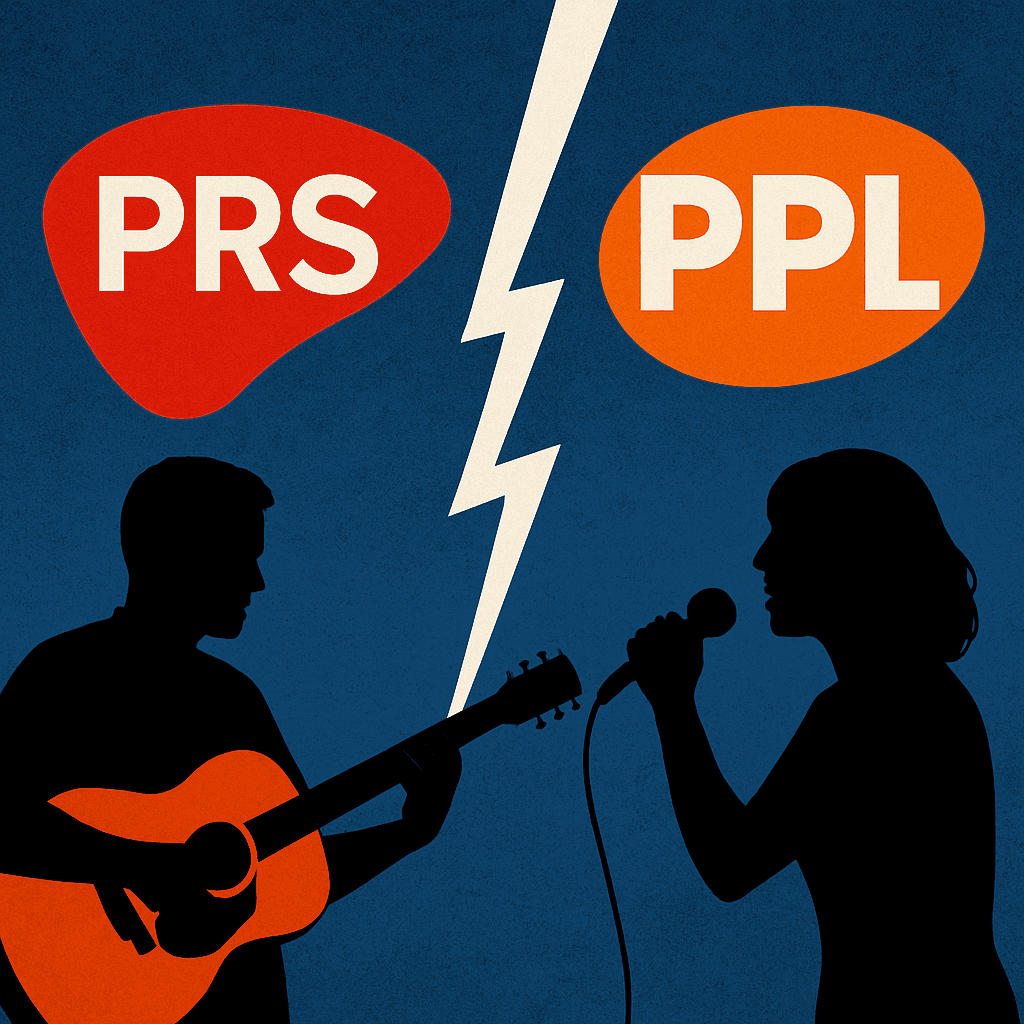
PRS vs PPL: Understanding the Difference for UK Artists
If you release recorded music in the UK, a single radio play or stream can generate two separate payments - one for the song and one for the recording. PRS vs PPL neighbouring rights determine who gets paid for each, and this article lays out exactly what PRS collects, what PPL collects, and the registration steps you need to claim both.

How Rappers Actually Become Famous: The Real Path to Recognition
Wondering how do rappers become famous? This practical how-to guide lays out the repeatable path from craft and short-form promotion to distribution, rights management, and measurement, with a 90-day checklist you can start today.
The Royalty Audit That Found $30,000 in Missing Payments for an Independent Band
This royalty audit case study shows how a targeted audit recovered $30,000 in unpaid royalties for an independent band. It details the data sources, matching methodology, and an itemized breakdown of shortfalls across streaming, mechanical, and performance royalties so you can compare the findings to your own releases.
How to Get Your Music on Spotify and Start Earning Streams
If you are an independent artist wondering how to get music on Spotify, this guide walks you step by step from finished master to first-week promotion and royalty collection . You will learn how to choose a distributor and upload music to Spotify, prepare ISRCs and metadata correctly, schedule and submit music to Spotify for editorial consideration, and run a targeted launch that improves playlist chances.
How to Register Your Music Copyright in the US and Internationally
How to register copyright music for your songs and recordings matters more than many artists realize, since registration creates a public ownership record and unlocks legal remedies and revenue streams. This practical, step by step guide explains which US Copyright Office forms to file for compositions and masters, how to register with PROs and SoundExchange, and the metadata, ISRC, and ISWC steps that actually get you paid internationally.