
Copyright
The exclusive legal right granted to a creator to control reproduction, distribution, public performance, and creation of derivative works from their original work. In music, there are two separate copyrights: the musical composition (melody + lyrics) and the sound recording (the specific recorded version).
Artikel über Copyright
Music Copyright vs Trademark: What's the Difference and Do You Need Both?
Confused about music copyright vs trademark and which one you actually need? This article cuts through the overlap and explains what each protects, how registration works, typical costs and timelines, and the real-world consequences for streaming, sync and merchandise.
How to Register Your Music Copyright in the US and Internationally
How to register copyright music for your songs and recordings matters more than many artists realize, since registration creates a public ownership record and unlocks legal remedies and revenue streams. This practical, step by step guide explains which US Copyright Office forms to file for compositions and masters, how to register with PROs and SoundExchange, and the metadata, ISRC, and ISWC steps that actually get you paid internationally.
10 Music Copyright Tips Every Songwriter Should Follow
Most independent songwriters lose income to registration mistakes, messy metadata, and unclear splits. These music copyright tips give ten practical, legally grounded steps to secure your compositions, maximize royalty collection, and stop avoidable revenue leakage.
Music Copyright Registration: Answers to the Most Common Questions
This music copyright registration FAQ answers the high‑intent questions independent musicians, songwriters, producers, and small labels have about registering songs and masters. Expect direct, practical answers on which application to use for compositions versus sound recordings, how to handle co‑writes, samples and remixes, timelines and fees, and what registration actually buys you for enforcement.
How to Protect Your Music Copyrights and Ensure You Get Paid
In the ever-evolving music industry, protecting your music copyrights and ensuring you get paid is crucial for sustaining your career as a music creator. With the rise of digital platforms and various revenue streams, managing your rights and royalties can be a complex task.

Copyright Chain of Title in Music: How to Establish and Verify Ownership
Proving who actually owns a song or master is rarely straightforward; missing split sheets, conflicting society entries, and legacy transfers create real operational risk. This guide lays out a step-by-step approach to build and verify a reliable copyright chain of title for both compositions and sound recordings, listing the exact documents, registry checks, APIs, and red flags you should use.
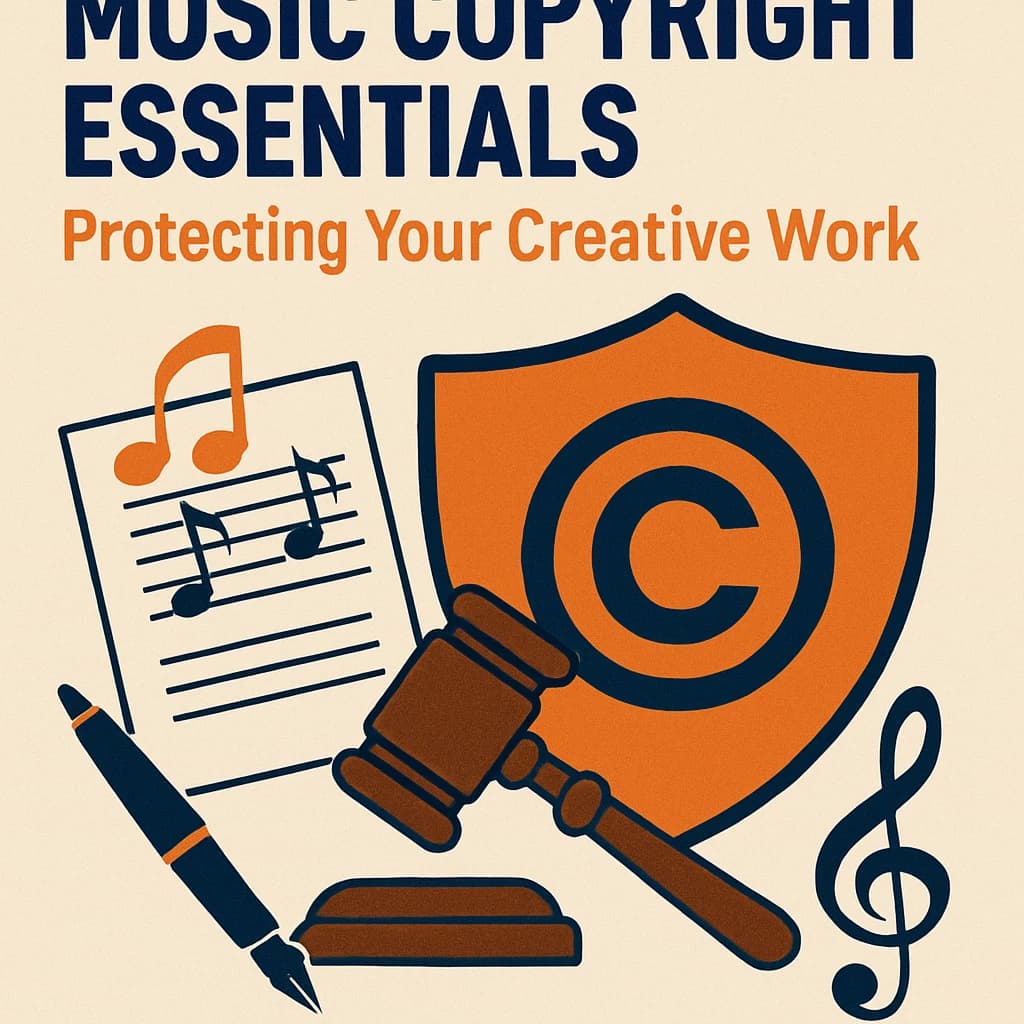
Music Copyright Essentials: Protecting Your Creative Work
Introduction Welcome to the world of music copyright , where your creative genius deserves protection like a superhero in a blockbuster movie! Just as every great film has its own unique storyline, your music is a narrative that deserves to be safeguarded from unauthorized use.
The Essential Guide to Music Publishing: Royalties, Copyrights, and Administration
Music publishing is an integral part of the music industry that deals with the business side of making music. It involves managing the rights to songs and compositions, collecting royalties generated by a song’s usage, and ensuring that songwriters receive their fair share of the earnings.

Essential Music Copyright Knowledge for Musicians: U.S. Laws and How to Protect Your Music 101
As a musician, it is essential to have a good grasp of copyright law to safeguard your creative works and ensure that you receive the appropriate recognition and compensation for your music. This article aims to provide a comprehensive understanding of the basics of music copyright law for musicians, focusing on U.