SoundExchange
A US digital performance rights organization that collects and distributes digital performance royalties (neighboring rights) for sound recordings played on non-interactive digital radio services such as Pandora and SiriusXM. SoundExchange pays both the featured artist and the sound recording copyright owner (label).
Artikel über SoundExchange
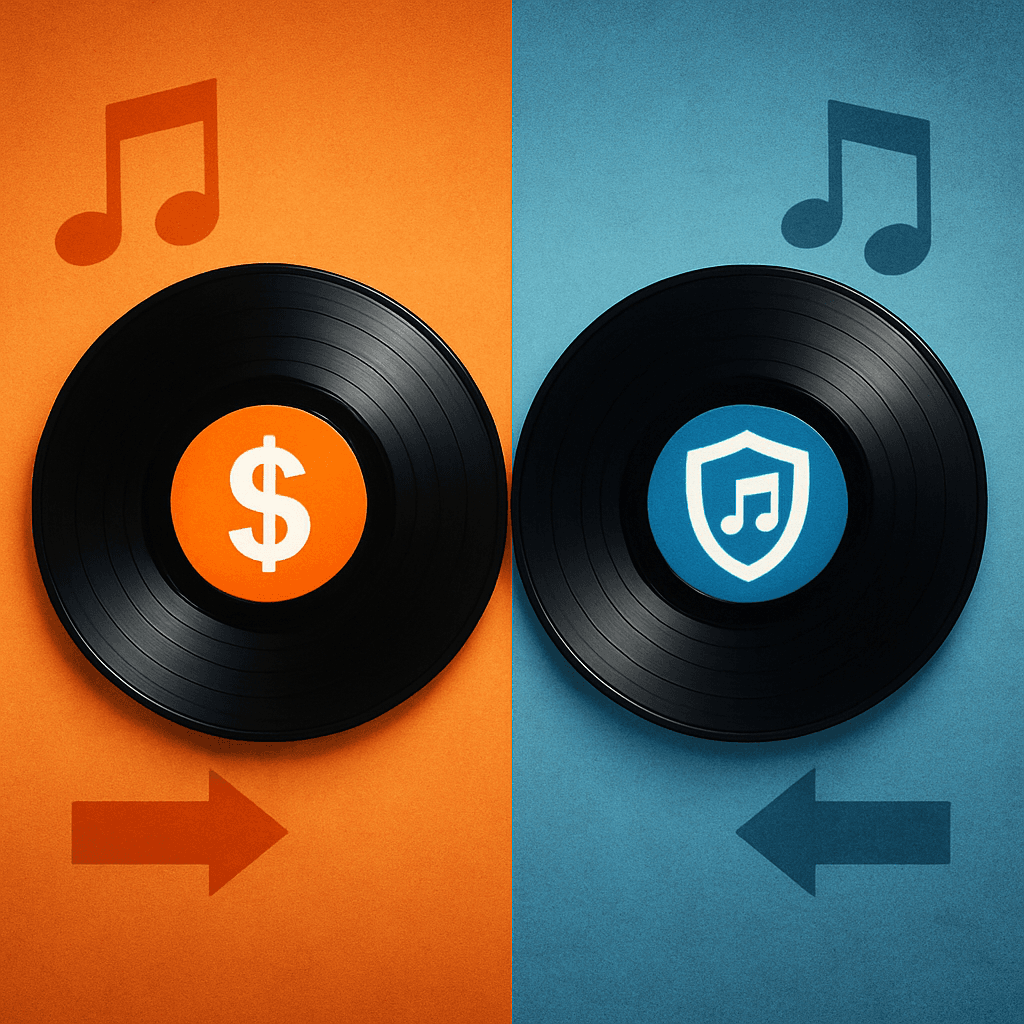
SoundExchange vs PRO: Understanding the Difference and Why You Need Both
Most independent musicians and small labels leave streaming and radio money on the table because they confuse who collects what. This guide breaks down SoundExchange vs PRO so you can see exactly which organization handles sound recording versus composition royalties and gives step-by-step registration actions for artists, session players, producers, and rights owners.
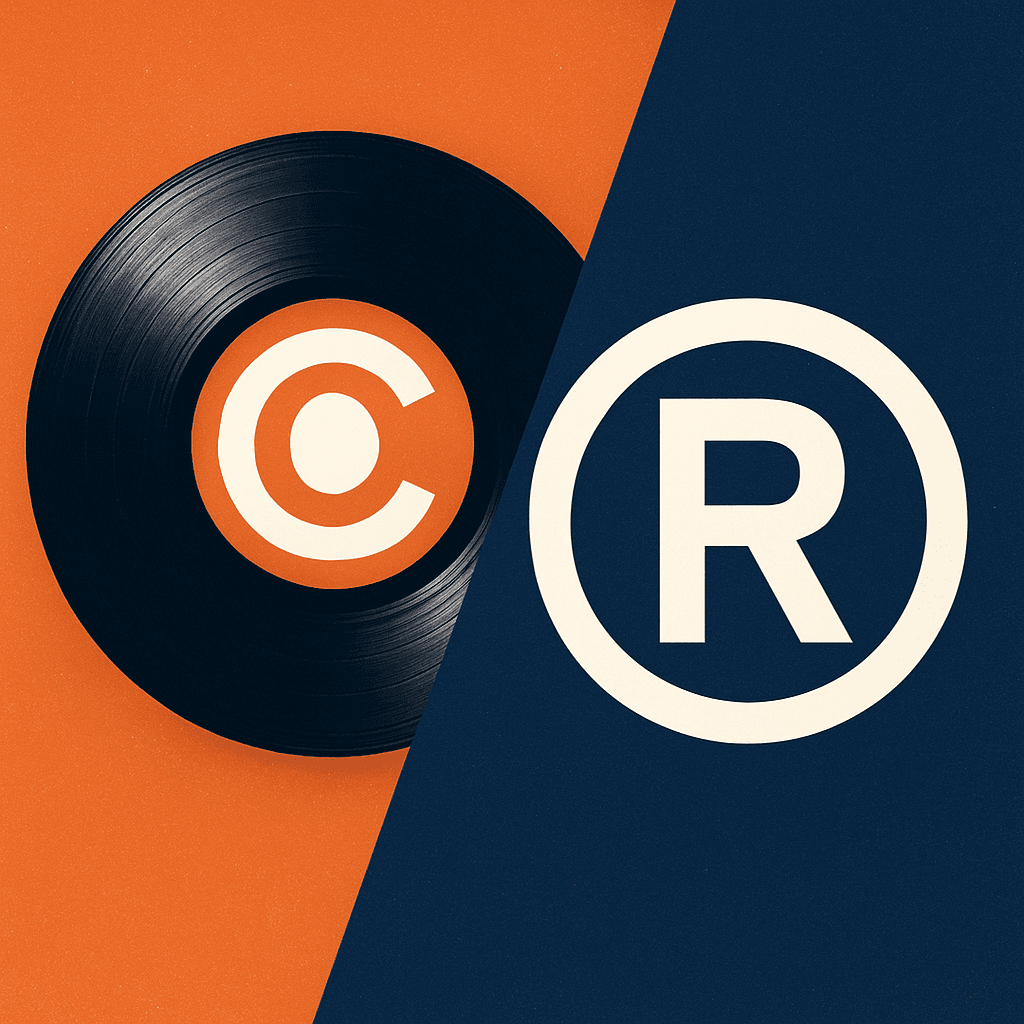
Music Copyright vs Trademark: What's the Difference and Do You Need Both?
Confused about music copyright vs trademark and which one you actually need? This article cuts through the overlap and explains what each protects, how registration works, typical costs and timelines, and the real-world consequences for streaming, sync and merchandise.
How Performance Royalties Work: A Deep Dive for Independent Artists
Performance royalties explained - a practical FAQ for independent artists who want to stop leaving money on the table. This guide lays out who gets paid for compositions versus recordings, which collecting societies handle each right, and the exact registration and metadata steps (ISWC, ISRC, IPI) you need to ensure plays are matched and paid.

What Are Neighbouring Rights in Music? Everything Artists and Labels Need to Know
If you've wondered what is neighbouring rights music and why performers and labels sometimes get separate checks from songwriters and publishers, this FAQ cuts through the confusion. It explains who neighbouring rights protect, how collections work across key territories, the essential metadata and registration steps that actually matter, realistic revenue expectations, and practical next steps to claim unpaid royalties.
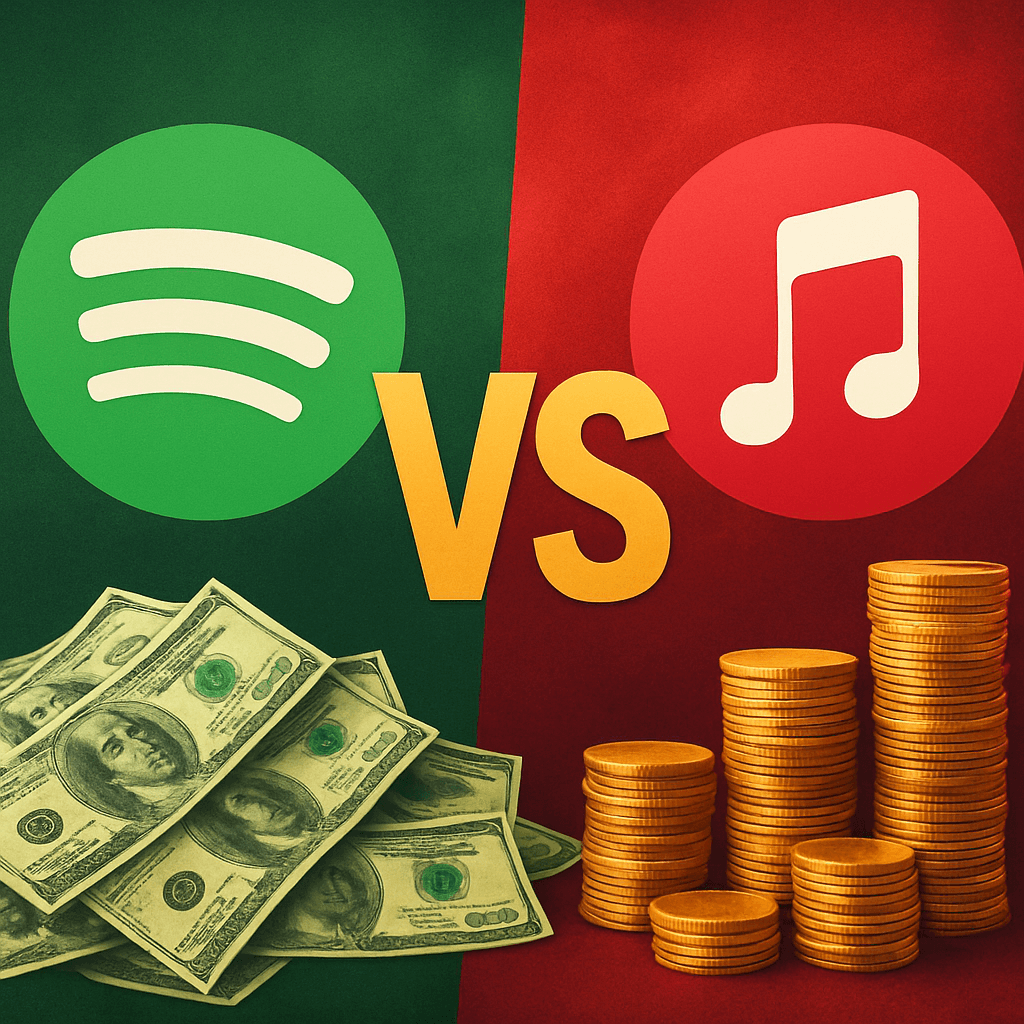
Spotify vs Apple Music: Which Platform Pays Artists More?
Spotify vs Apple Music royalties is a debate in every music community, but the reality is messier than a single per-stream number. This comparison lays out sourced per-stream ranges, explains how master and composition splits and distributor deals change net pay, and walks through worked examples for independents and label-signed artists.
SOCAN vs ASCAP: Which PRO Is Right for You?
Deciding between SOCAN vs ASCAP determines where and how your performance royalties are collected and paid. This SOCAN vs ASCAP comparison walks through eligibility, territorial scope, what each PRO does and does not collect, registration and split workflows, payout mechanics, and the metadata mistakes that cause missing royalties.
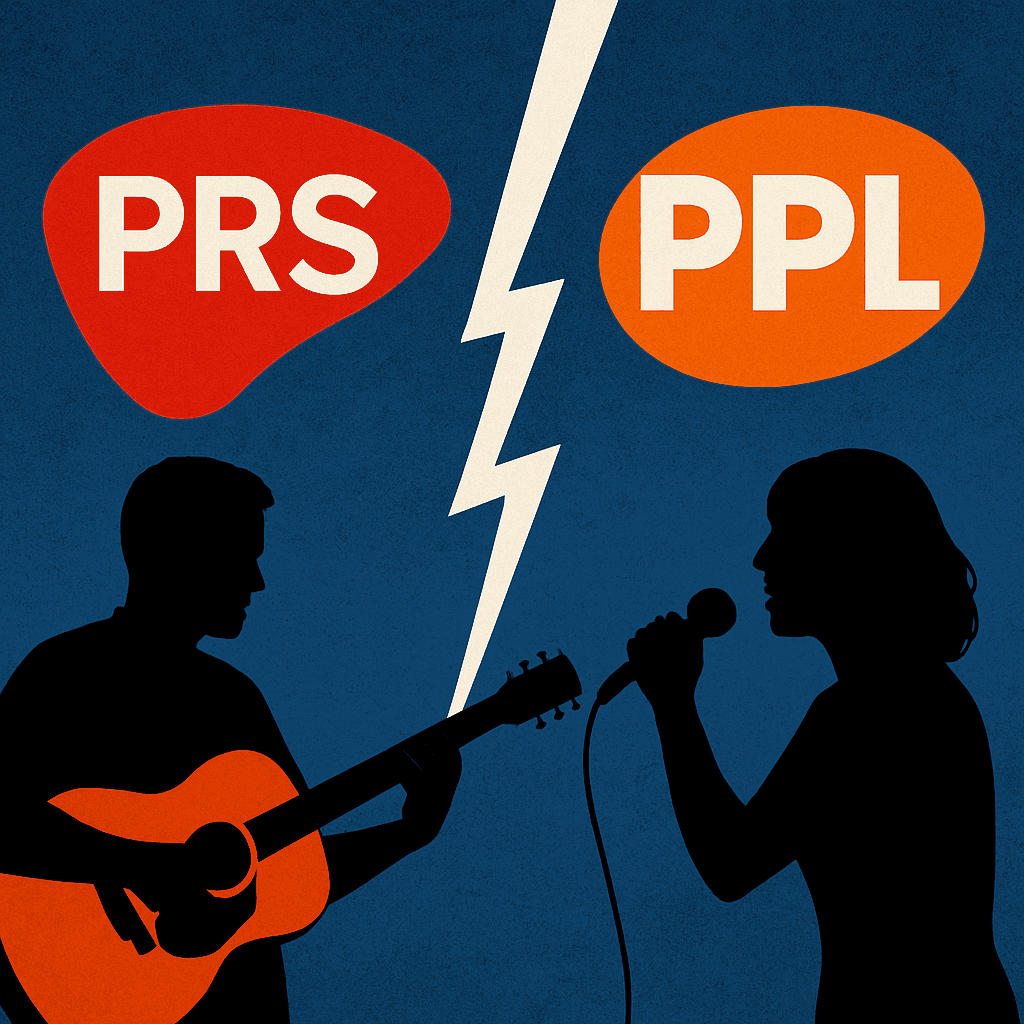
PRS vs PPL: Understanding the Difference for UK Artists
If you release recorded music in the UK, a single radio play or stream can generate two separate payments - one for the song and one for the recording. PRS vs PPL neighbouring rights determine who gets paid for each, and this article lays out exactly what PRS collects, what PPL collects, and the registration steps you need to claim both.
How to Build a Sustainable Music Career as an Independent Artist
This practical how to build music career guide gives independent artists a step-by-step roadmap to create reliable income, retain rights, and grow an engaged fan base. You will get concrete music career tips on revenue diversification, rights registration and royalty collection, repeatable release and promotion workflows, live and direct-to-fan strategies, and measurable milestones to use over the next 12 months.

How Rappers Actually Become Famous: The Real Path to Recognition
Wondering how do rappers become famous? This practical how-to guide lays out the repeatable path from craft and short-form promotion to distribution, rights management, and measurement, with a 90-day checklist you can start today.