Split
In a co-written work, the split refers to the agreed percentage of copyright ownership assigned to each contributing writer. Splits must sum to 100% and are documented in a split sheet. Accurate splits are critical for correct CMO registration and proportional royalty distribution to all collaborators.
Artikel über Split

Songwriter vs Publisher Share: How Royalty Splits Are Calculated and Tracked
The practical distinction captured by songwriter vs publisher share determines how composition income is split, registered, and routed through PROs, mechanical hubs, and DSP reporting. This article gives the operational rules, required identifiers and metadata, and step-by-step calculations for performance and mechanical flows, including two worked examples and a reconciliation checklist you can implement.

Understanding Music Royalty Splits: A Complete Guide for Independent Artists
Understanding Music Royalty Splits: A Complete Guide for Independent Artists Types of Music Royalties and Their Implications If you think all music royalties are created equal, think again! Independent artists often find themselves navigating a complex web of royalties that can feel more like a maze than a straightforward path to income.

Guide to Publishing Royalties and Split Sheets for Businesses
Whether you’re a label, manager, publisher, or distributor, industry leaders should always encourage their artists to have honest and open conversations about split sheets. After all, not having them in place means not being able to confirm a creator’s ownership percentage or collect any related publishing royalties.
Music Copyright vs Trademark: What's the Difference and Do You Need Both?
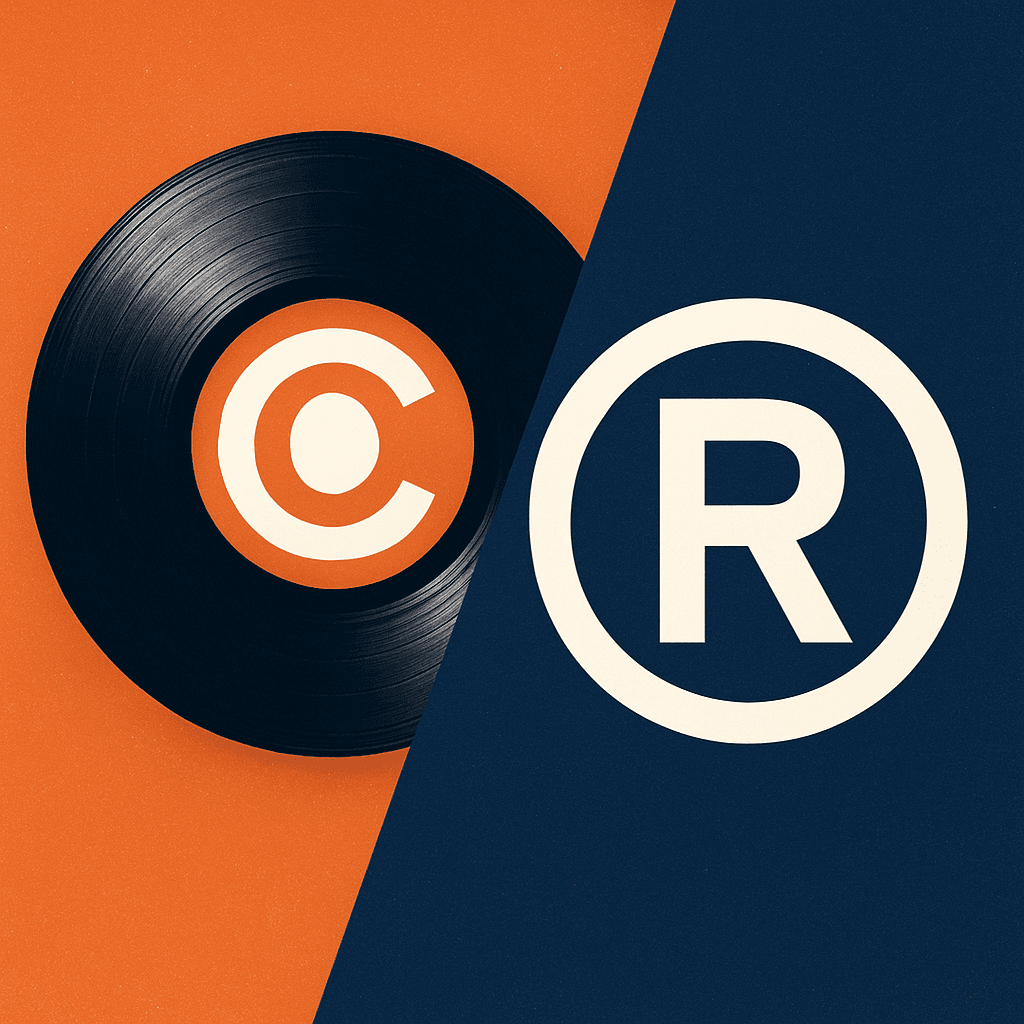
Confused about music copyright vs trademark and which one you actually need? This article cuts through the overlap and explains what each protects, how registration works, typical costs and timelines, and the real-world consequences for streaming, sync and merchandise.

How Performance Royalties Work: A Deep Dive for Independent Artists
Performance royalties explained - a practical FAQ for independent artists who want to stop leaving money on the table. This guide lays out who gets paid for compositions versus recordings, which collecting societies handle each right, and the exact registration and metadata steps (ISWC, ISRC, IPI) you need to ensure plays are matched and paid.

What Are Neighbouring Rights in Music? Everything Artists and Labels Need to Know
If you've wondered what is neighbouring rights music and why performers and labels sometimes get separate checks from songwriters and publishers, this FAQ cuts through the confusion. It explains who neighbouring rights protect, how collections work across key territories, the essential metadata and registration steps that actually matter, realistic revenue expectations, and practical next steps to claim unpaid royalties.

Top Music Publishing Administration Platforms Compared: Features, Fees and Payouts
If you are an independent songwriter, producer or small label deciding where to place your catalog, this music publishing platform comparison cuts through marketing claims to the mechanics that actually move money. You will get a side by side look at fee models, payout mechanics, territory coverage, metadata and split management, and sync support - so you can pick the platform that maximizes collections and reduces revenue leakage.
Spotify vs Apple Music: Which Platform Pays Artists More?
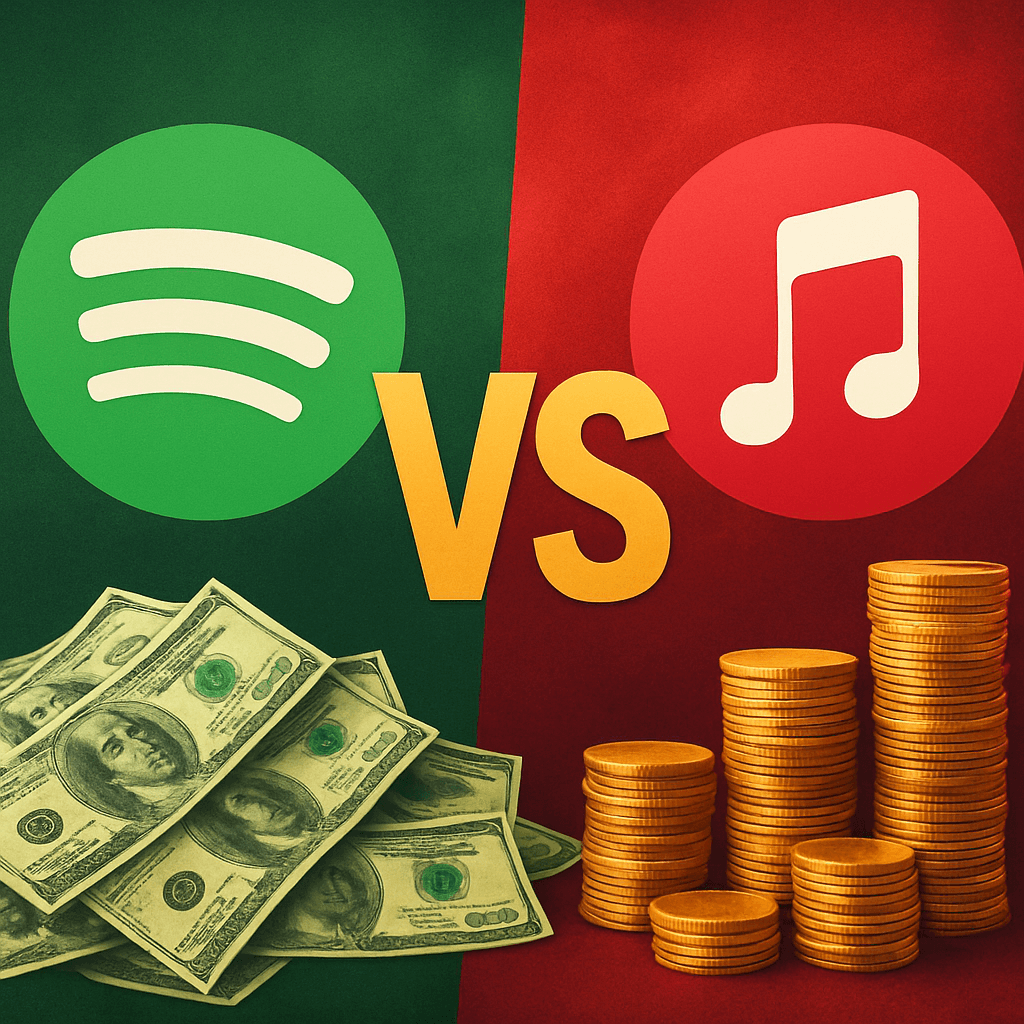
Spotify vs Apple Music royalties is a debate in every music community, but the reality is messier than a single per-stream number. This comparison lays out sourced per-stream ranges, explains how master and composition splits and distributor deals change net pay, and walks through worked examples for independents and label-signed artists.

SOCAN vs ASCAP: Which PRO Is Right for You?
Deciding between SOCAN vs ASCAP determines where and how your performance royalties are collected and paid. This SOCAN vs ASCAP comparison walks through eligibility, territorial scope, what each PRO does and does not collect, registration and split workflows, payout mechanics, and the metadata mistakes that cause missing royalties.