Split sheet
A document signed by all co-writers of a song that records the agreed ownership percentages (splits) for each contributor. Split sheets are essential for accurate CMO registration and are the authoritative reference in the event of a royalty dispute between collaborators.
Artikel über Split sheet

Guide to Publishing Royalties and Split Sheets for Businesses
Whether you’re a label, manager, publisher, or distributor, industry leaders should always encourage their artists to have honest and open conversations about split sheets. After all, not having them in place means not being able to confirm a creator’s ownership percentage or collect any related publishing royalties.
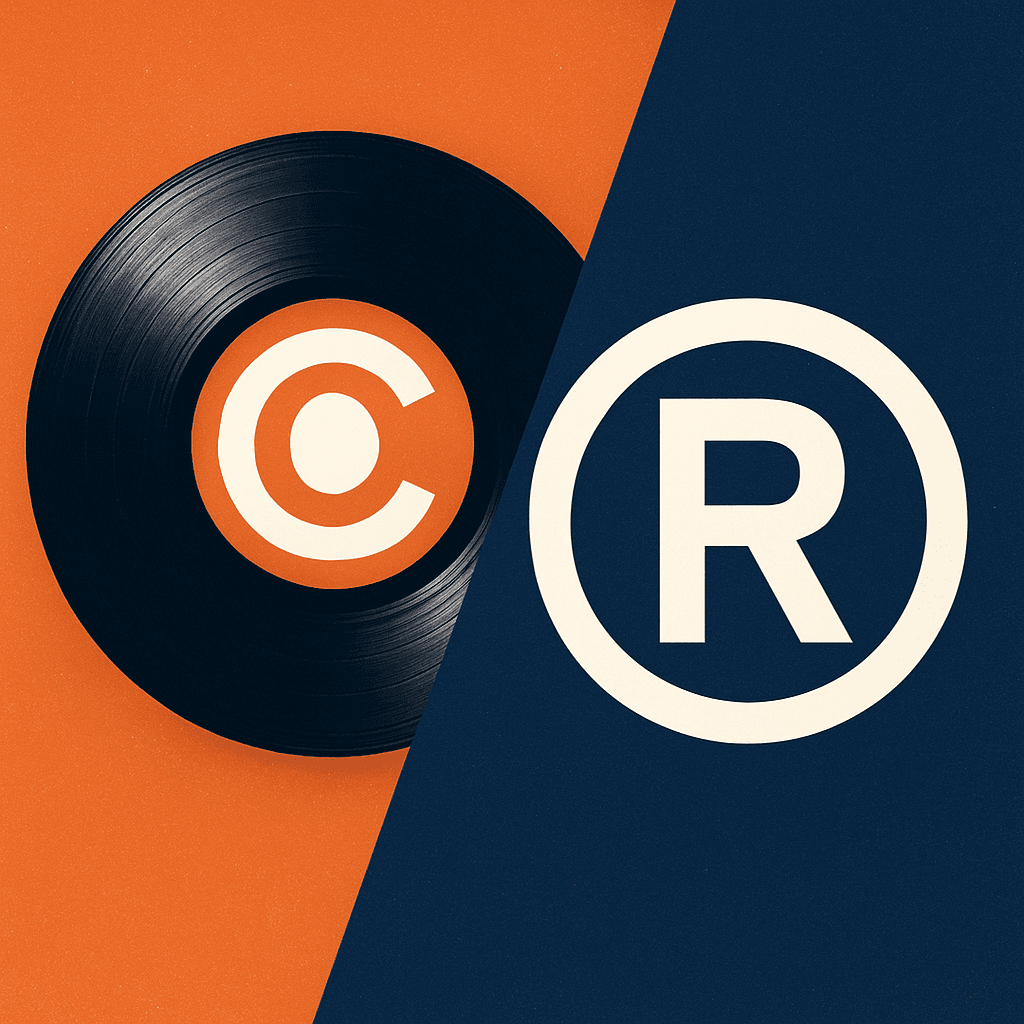
Music Copyright vs Trademark: What's the Difference and Do You Need Both?
Confused about music copyright vs trademark and which one you actually need? This article cuts through the overlap and explains what each protects, how registration works, typical costs and timelines, and the real-world consequences for streaming, sync and merchandise.

What Are Neighbouring Rights in Music? Everything Artists and Labels Need to Know
If you've wondered what is neighbouring rights music and why performers and labels sometimes get separate checks from songwriters and publishers, this FAQ cuts through the confusion. It explains who neighbouring rights protect, how collections work across key territories, the essential metadata and registration steps that actually matter, realistic revenue expectations, and practical next steps to claim unpaid royalties.

Top Music Publishing Administration Platforms Compared: Features, Fees and Payouts
If you are an independent songwriter, producer or small label deciding where to place your catalog, this music publishing platform comparison cuts through marketing claims to the mechanics that actually move money. You will get a side by side look at fee models, payout mechanics, territory coverage, metadata and split management, and sync support - so you can pick the platform that maximizes collections and reduces revenue leakage.

SOCAN vs ASCAP: Which PRO Is Right for You?
Deciding between SOCAN vs ASCAP determines where and how your performance royalties are collected and paid. This SOCAN vs ASCAP comparison walks through eligibility, territorial scope, what each PRO does and does not collect, registration and split workflows, payout mechanics, and the metadata mistakes that cause missing royalties.

How Rappers Actually Become Famous: The Real Path to Recognition
Wondering how do rappers become famous? This practical how-to guide lays out the repeatable path from craft and short-form promotion to distribution, rights management, and measurement, with a 90-day checklist you can start today.

How to Start a Rap Career With No Label, No Budget and No Connections
This guide shows how to start a rap career with no label, no budget, and no connections, laying out a realistic 90-day roadmap and specific tasks you can execute using free and low-cost tools. You will get step-by-step instructions for writing, recording, releasing, promoting, and registering your music, plus checklists and measurable milestones that take you from first demo to your first paying gig or streaming traction.

The Royalty Audit That Found $30,000 in Missing Payments for an Independent Band
This royalty audit case study shows how a targeted audit recovered $30,000 in unpaid royalties for an independent band. It details the data sources, matching methodology, and an itemized breakdown of shortfalls across streaming, mechanical, and performance royalties so you can compare the findings to your own releases.

How to Negotiate a Music Publishing Deal Without Getting Burned
If you are an independent songwriter, producer, or DIY artist about to sign a contract, learning how to negotiate music publishing deal can protect your publishing rights and future income. This practical how-to walks through deal types, the contract clauses to demand or reject, real-world royalty benchmarks, and ready-to-use scripts and checklists to use before you sign.