

SoundExchange
A US digital performance rights organization that collects and distributes digital performance royalties (neighboring rights) for sound recordings played on non-interactive digital radio services such as Pandora and SiriusXM. SoundExchange pays both the featured artist and the sound recording copyright owner (label).
Articles about SoundExchange

SoundExchange vs PRO: Understanding the Difference and Why You Need Both
Most independent musicians and small labels leave streaming and radio money on the table because they confuse who collects what. This guide breaks down SoundExchange vs PRO so you can see exactly which organization handles sound recording versus composition royalties and gives step-by-step registration actions for artists, session players, producers, and rights owners.
Uncommon ways your song can make you money: beyond streaming and radio
Most songwriters focus on streaming and performance royalties while missing dozens of niche revenue streams. These uncommon ways your song can make you money require active catalog management but collectively represent significant income that independent writers leave unclaimed.

¿Por que estar en una PRO no es suficiente? Los 3 pasos que faltan
Afiliarte a una PRO es esencial, pero solo cubre derechos de ejecución pública. Mecánicos, sincronización y derechos conexos quedan sin gestionar, dejando miles de dólares sin cobrar cada año para creadores independientes.

Songtrust: Business and Technology Partner to the Creative Community — How to use it for music publishing administration
Songtrust: Business and Technology Partner to the Creative Community provides global music publishing administration for independent songwriters and composers. This guide covers account setup, catalog registration, royalty collection from CMOs worldwide, and when Songtrust makes sense for your publishing rights.

Music Royalty Calculator: How to Estimate Your PayoutsAugust 1, in 3 steps
Estimating streaming royalties is notoriously difficult because DSP payout models are opaque and rates vary by territory, subscription tier, and platform. This guide provides a three-step framework for calculating realistic payout ranges using your own streaming data.

Publishing Administration Explained: Roles, Workflows, and Standards for Rights Management
Publishing administration explained covers rights management in music publishing, mapping roles, operational handoffs, and industry standards. Learn about workflows, file formats, identifiers, and integration patterns to reduce unmatched revenue and build auditable systems.
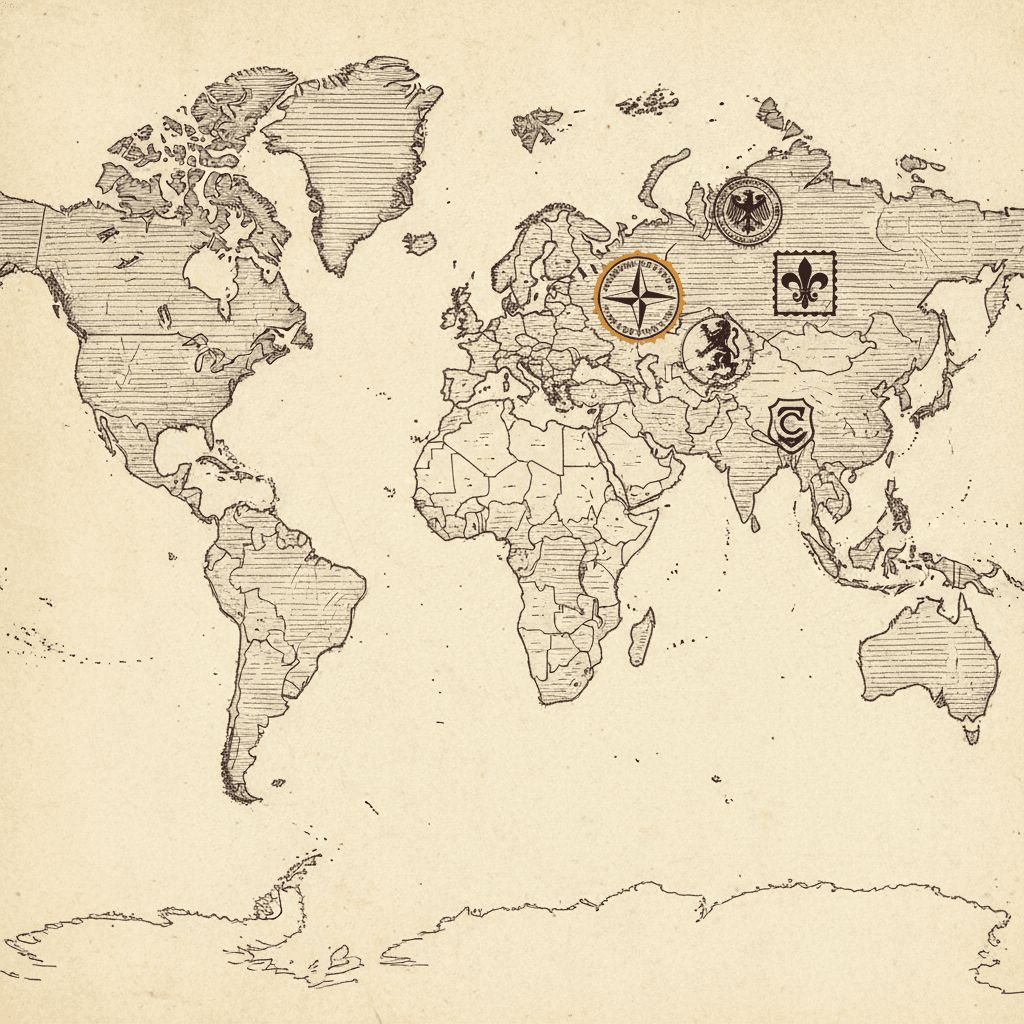
Territory Collection Societies: A Global Guide to PROs and CMOs Worldwide
Territory collection societies form the patchwork of national and regional organizations that collect and distribute music royalties, and knowing who collects which rights in which markets is the practical difference between missing revenue and timely payments. This guide maps PROs, CMOs, neighboring rights and master rights collectors by territory, provides registration and metadata checklists for priority markets, and gives step-by-step troubleshooting and prioritization advice publishers, labels and sync teams can use to recover royalties faster.

How to collect COSON Nigeria music royalties and international earnings through collection societies
African artists routinely miss international royalties because they lack direct relationships with foreign collection societies. A single membership in your home CMO like COSON Nigeria unlocks collection across 120+ territories through reciprocal agreements.

How Social Media Music Marketing Royalties Generate Income Artists Are Missing
TikTok, Instagram Reels, YouTube Shorts, and Facebook generate performance, mechanical, and sync licensing royalties that most independent artists never collect. Billions in social media music marketing royalties sit unclaimed with CMOs worldwide because creators don't register works correctly or understand which platforms trigger which rights.